
There’s a certain unpolished charm in Caribbean dishes that’s hard to replicate. It’s a bit chaotic, a lot vibrant, and deeply rooted in tradition. I love how these recipes tell stories with every spice and smoky char—like a musical jam session in your kitchen.
Why I keep coming back to these recipes
These dishes remind me of sun-drenched afternoons, smoky barbecues, and the chaos of family gatherings. The layers of spice and heat are addictive, each bite echoing stories I want to keep rediscovering. It’s an escape, a celebration, and a reminder that good food is an act of love.
Breaking down the Caribbean flavors
- Allspice: Warm, sweet, and peppery, it’s like cinnamon and cloves in one. Skip if you prefer milder.
- Scotch bonnet peppers: Fiery and bright, they add a punch of heat and citrus aroma. Use jalapeño for less heat.
- Ginger: Gives a zesty, fresh kick. Fresh is best; substitute with ground ginger in a pinch.
- Lime: Brightens everything with citrus. Squeeze fresh for a zing that cuts through the richness.
- Thyme: Earthy and aromatic, it’s a staple. Dried thyme works, but fresh adds more punch.
Tools of the trade for Caribbean cooking
- Grill or oven: For achieving that signature smoky char and even cooking.
- Sharp knife: To chop peppers, herbs, and meat cleanly.
- Marinating bowl: To allow flavors to meld and penetrate the chicken.
- Tongs: For turning the chicken and handling hot items safely.
The real process of bringing Caribbean flavor home
Step 1: Start by gathering your ingredients: chicken thighs, allspice, Scotch bonnet peppers, garlic, ginger, thyme, and lime.
Step 2: Marinate the chicken with a mixture of chopped peppers, herbs, and spices. Let it sit for at least 2 hours, preferably overnight.
Step 3: Preheat your grill or oven to 200°C (390°F).
Step 4: Cook the chicken until it reaches an internal temperature of 75°C (165°F) and juices run clear.
Step 5: Rest the chicken for 5 minutes before serving. Garnish with chopped herbs and a squeeze of lime.
Cooking checkpoints to keep you on track
- Look for a rich, smoky aroma when grilling the chicken.
- Check that the chicken juices run clear and internal temp hits 75°C (165°F).
- Ensure the marinade has penetrated the meat; it should feel slightly sticky and fragrant.
Common mistakes and how to fix them
- Cooking without checking internal temperature.? Use a meat thermometer to avoid overcooking or undercooking.
- Short marinating time leading to bland flavor.? Marinate for at least 2 hours, ideally overnight.
- Fluctuating heat causing uneven cooking.? Keep the grill at steady heat, around 200°C (390°F).
- Cutting into hot chicken, losing juices.? Don’t forget to rest the chicken before slicing.
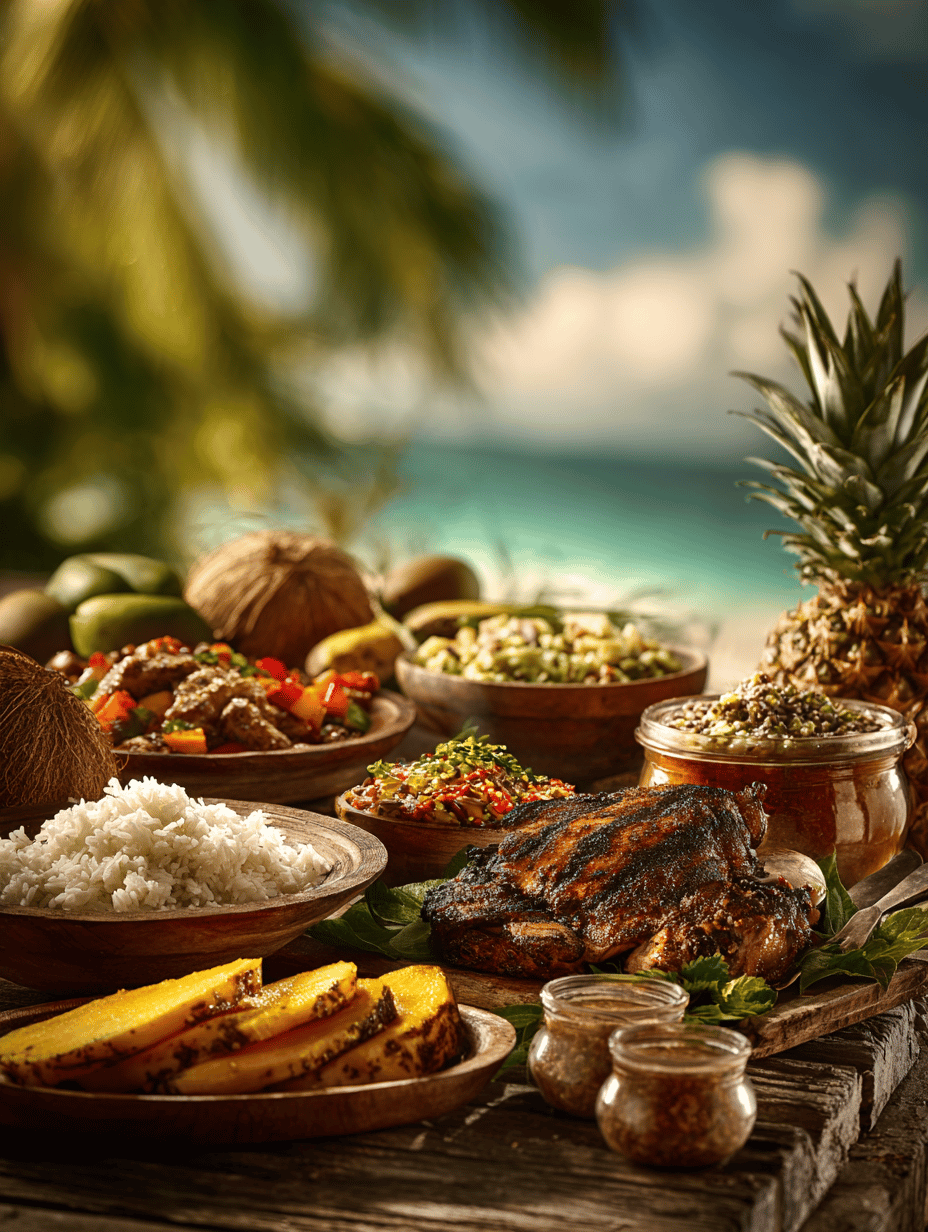
Caribbean Grilled Chicken
Ingredients
Equipment
Method
- Chop the Scotch bonnet peppers into small pieces, and mince the garlic. Grate the fresh ginger and squeeze the lime juice. In a mixing bowl, combine the peppers, garlic, ginger, lime juice, allspice, thyme, olive oil, salt, and pepper to create a vibrant marinade.
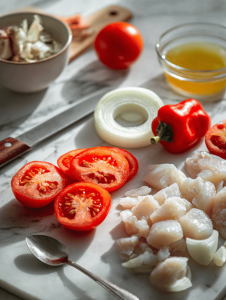
- Add the chicken thighs to the marinade, ensuring each piece is thoroughly coated. Cover and refrigerate for at least 2 hours, or preferably overnight, to let the flavors penetrate the meat.
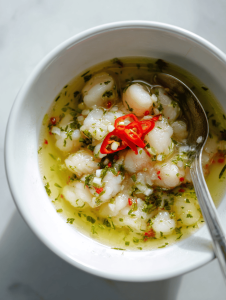
- Preheat your grill or oven to 200°C (390°F). Remove the chicken from the marinade and let any excess drip off.
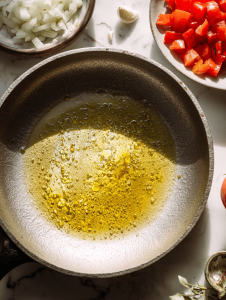
- Place the chicken thighs on the grill or in a baking dish. Cook until the skin is charred and crispy, about 15-20 minutes, flipping occasionally for even cooking. The internal temperature should reach 75°C (165°F).
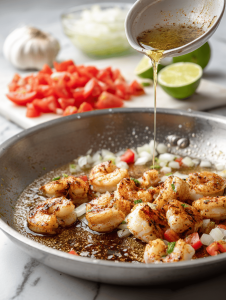
- Once cooked, transfer the chicken to a platter and let it rest for 5 minutes. This helps retain the juices and ensures tender bites.
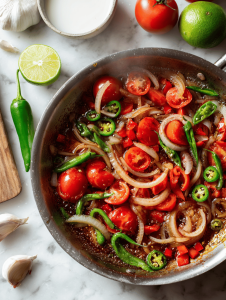
- Squeeze additional lime over the chicken and sprinkle with chopped fresh herbs if desired. Serve hot, enjoying the smoky, spicy flavors with sides of your choice.
Notes

Hi, I’m Mia Bennett, the chef and storyteller behind Grounding in Tradition. I’m so glad you’re here. This blog is my way of preserving the flavors, techniques, and rituals that shaped me as both a cook and a professional chef. Grounding in Tradition is not about trends or shortcuts. It is about honoring where food comes from, understanding the hands that prepare it, and carrying forward recipes that deserve to be remembered.
Leave a Reply